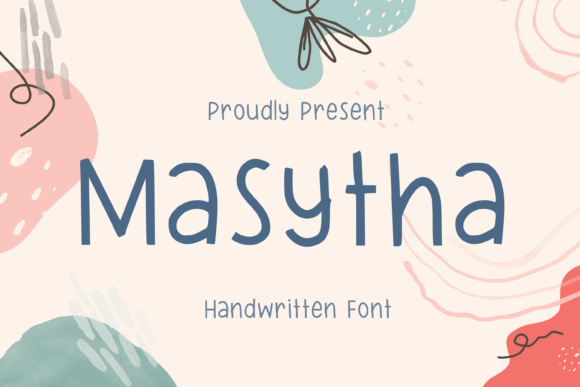
Masytha: A Sweet Script Font for Creative Campaigns
It was the morning of a product launch, and I was staring at a blank canvas. The client wanted something fresh, something that felt personal but still professional. I reached for my go-to script font—Masytha. Its soft curves and friendly strokes instantly brought warmth to the design. It wasn’t just a font; it was a mood booster.
Masytha is a handwritten script font with a sweet and approachable personality. Its natural flow makes it ideal for designs that need a human touch. Whether you're working on social media posts or digital ads, Masytha adds a sense of authenticity without being too casual. It’s the kind of font that feels like a hand-written note from a friend, which is exactly what many brands aim for in today’s digital world.
One of the first places I tested Masytha was on a YouTube thumbnail. The video was a teaser for an online course, and the title needed to stand out in a sea of thumbnails. Using Masytha as the main headline gave the design a unique edge. The font’s fluidity worked well with the bold background, creating a visual contrast that caught the eye. On mobile screens, the font remained legible, even when scaled down for preview sizes.
Instagram posts are another area where Masytha shines. I used it for a series of quote graphics promoting a seasonal sale. The font’s organic shape complemented the warm, inviting color palette. It didn’t feel too stylized, which made it easy to pair with other design elements. For captions and short headlines, Masytha added a personal touch that resonated with the audience.
When designing a webinar banner, I found that Masytha worked best as a secondary element. It paired well with a clean sans serif font, creating a balanced hierarchy. The combination allowed the main headline to remain clear while the supporting text added a creative flair. This pairing also helped maintain brand consistency across different platforms.
For a Pinterest campaign focused on lifestyle content, Masytha was perfect for pin titles. Its readability on small previews made it a strong choice. I used it sparingly, mostly for headers and labels, to avoid overwhelming the viewer. The font’s friendly style matched the campaign’s tone, making it feel more relatable and engaging.
One thing to keep in mind is that Masytha works best for short, impactful text. It’s not ideal for long paragraphs or dense information. In a recent email promotion, I used it for subject lines and CTA buttons, but avoided it for body copy. The font’s uniqueness can be lost when used in larger blocks of text, especially on dark backgrounds or in fast-scrolling feeds.
When considering font pairing, Masytha pairs well with modern typography systems. A simple serif or sans serif font can provide a nice contrast, helping to guide the viewer’s eye through the design. For a more cohesive look, pairing it with another handwritten font might work, but it’s important to maintain clarity and avoid visual clutter.
Before using Masytha in any campaign, it’s essential to check the included styles, alternates, and ligatures. These features can add depth and variation to your designs, making each piece feel more intentional. The font also supports multiple languages, which is a big plus for international campaigns.
Commercial licensing is another consideration. If you’re using Masytha for client projects, merchandise, or branded content, make sure the license covers those uses. It’s always better to double-check these details to avoid any legal issues later on.
In a recent campaign for an online shop, I used Masytha for promotional banners and social media headers. The font’s friendly nature aligned perfectly with the brand’s voice, making it a key part of the visual identity. It helped create a sense of trust and approachability, which is crucial for e-commerce.
Overall, Masytha is a versatile and expressive font that brings a unique personality to any design. It’s ideal for display text, logos, and creative headlines, but it’s important to use it thoughtfully. When paired correctly and applied in the right context, it can elevate a campaign’s visual appeal and help connect with the audience on a more personal level.